

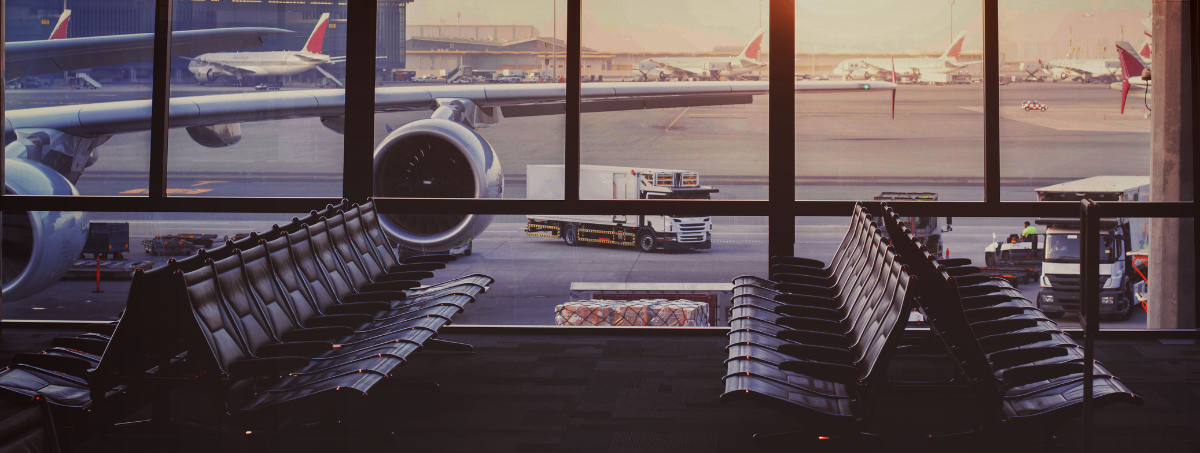
Birmingham Airport, in England’s West Midlands, has announced a 2 billion pound expansion plan that it says could more than double passenger numbers to around 30 million a year by 2041. The airport said the plan could create more than 50,000 new jobs, 3,800 of them on site.
Birmingham Airport is operated by Birmingham Airport Ltd and is located in Solihull, West Midlands, England. It handled a record 13.65 million passengers in 2025, and reported revenue of 221.9 million pounds for the year to March 2025, up 20.3%.
The proposal, now under an eight-week public consultation, covers the next 15 years and centres on using existing runway capacity and enhancing passenger facilities. Annual aircraft movements would rise from fewer than 100,000 in 2025 to about 180,000 by 2041, with average passengers per flight expected to rise about 20% as airlines deploy larger aircraft.
The airport also aims to lift its share of air travel generated within the Midlands from about 35% to 45%, partly by recapturing passengers who currently use airports elsewhere in the UK. The master plan is expected to be finalised in early 2027, with individual projects requiring separate approvals.
The first stage could begin next year and include work on baggage facilities and additional aircraft stands. The first public consultation event is on 16 October in Hampton in Arden, and feedback can also be submitted online, by email and by post.
The plan builds on a 300 million pound capital programme running from 2025 to 2029. Airlines offered about 5.56 million departure seats from the airport in summer 2026, up 3.3%, with Ryanair up 16.8% to 1.42 million seats and easyJet up 16.9% to about 871,800.
“As Birmingham is the UK’s second city, our future plans will help secure ongoing growth in the region, benefiting more people and businesses in the West Midlands with new jobs, better transport links and enhanced connectivity,” said Nick Barton, chief executive of Birmingham Airport Ltd.
For the sector, the plan shows how a regional UK airport aims to more than double its passengers using its existing runway.
Source: FlightGlobal / Aviation Week / Aviation24




.png)