
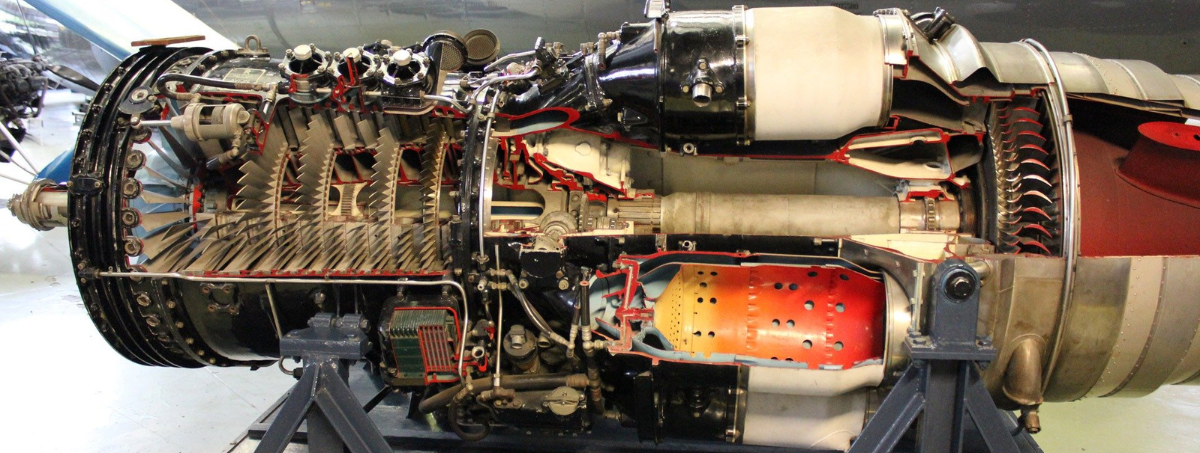
Rolls-Royce is pursuing a return to the single-aisle aircraft engine market, backed by a 2.5 billion pound, 10-year programme to develop next-generation jet engine technologies, jointly funded with the UK government as a framework rather than a fully contracted commitment. The programme targets technology for the next generation of narrowbody aircraft such as the Airbus A320 and Boeing 737 families, and is expected to support 3,300 jobs at Rolls-Royce and its partners by the end of 2029.
Rolls-Royce Holdings is headquartered in the UK and listed on the London Stock Exchange (ticker: RR.). For full-year 2025, it reported underlying operating profit of 3.5 billion pounds, up from 2.5 billion pounds a year earlier, on underlying revenue of 20.1 billion pounds.
The company has been largely absent from the single-aisle segment for about 15 years, since it withdrew from the International Aero Engines consortium that produced the V2500 engine used on A320-family aircraft. It has since concentrated on larger engines for widebody aircraft, including those used on long-haul routes.
Its proposed UltraFan 30 engine is intended to mark the return. The engine targets about 20% lower fuel burn than engines in service today, and Rolls-Royce has said it is seeking partners for the roughly 3 billion pound development project, with ground tests of a prototype planned for 2028.
The timing is the driver. Aircraft manufacturers are expected to make engine decisions for their next-generation narrowbody aircraft towards the end of the decade, and winning a position on a future Airbus or Boeing programme would give the British group access to a much larger market and a potential source of revenue for several decades.
Competition will be intense. Established suppliers including CFM International and Pratt and Whitney already have deep relationships with Airbus and Boeing, while airlines will demand improvements in fuel consumption, emissions, reliability and maintenance costs before committing to new technology.
The programme covers advanced materials, electronic systems, manufacturing processes, robotics and artificial intelligence, and is expected to strengthen engineering and testing capabilities in Derby, the Midlands and Bristol.
For the sector, the programme gives Rolls-Royce and its suppliers a framework to pursue a return to the largest engine market, with the commercial outcome still uncertain.
Source: International Finance / Leeham News / Rolls-Royce




.png)